


The Chaos When Transportation Planning Fails
Imagine your wedding day: the ceremony was supposed to start fifteen minutes ago, but three shuttle buses full of guests are still stuck at different hotels across Westchester because nobody coordinated the pickup times. Your photographer is waiting, your officiant is checking their watch, and your wedding planner is fielding panicked calls from confused guests who don’t know which vehicle to board. This nightmare scenario happens more often than couples realize, and it’s entirely preventable with proper Wedding Limo in Westchester coordination.
📋 In This Guide
Guest transportation breakdowns don’t just delay ceremonies—they create cascading problems that affect every element of your wedding timeline. When groups arrive at staggered times instead of together, cocktail hour becomes disjointed, dinner service gets delayed, and the carefully orchestrated flow you spent months planning disintegrates. The real cost isn’t just the money you’ve invested in limousine and car service services in Westchester—it’s the stress, the missed photo opportunities, and the disrupted experience for everyone involved.
Understanding Multi-Vehicle Logistics for Wedding Guests
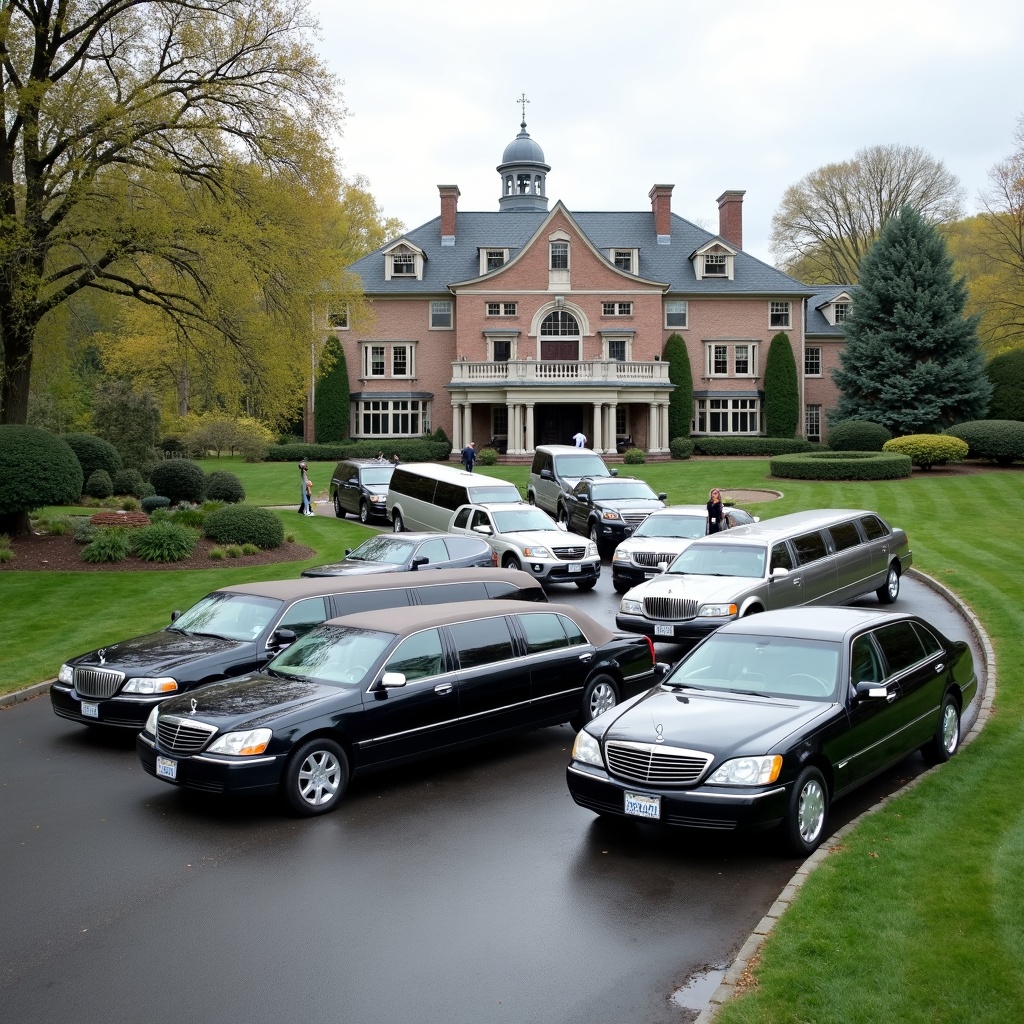
Coordinating multiple limousine services for wedding guest transportation requires fundamentally different planning than booking a single vehicle for the bridal party. You’re managing concurrent pickups across different Westchester neighborhoods—White Plains, Scarsdale, New Rochelle, Yonkers, and Tarrytown—each with its own traffic patterns, hotel layouts, and timing considerations. The complexity multiplies when you factor in varying guest counts, multiple departure windows, and the need for seamless transitions between ceremony and reception venues.
Professional wedding limo service for weddings near me starts with creating a comprehensive transportation manifest weeks before your wedding day. This document becomes your single source of truth, listing every pickup location, vehicle assignment, guest count per group, driver contact information, and precise timing for each movement. Without this centralized coordination tool, you’re essentially running multiple independent transportation operations that have no way to communicate when problems arise.
The vehicle mix matters significantly for guest transportation efficiency. A 20-passenger limousine works perfectly for hotel pickups where most guests are staying, while smaller 6-passenger luxury sedans handle family groups scattered across different locations. For venues with severe parking limitations—common at historic Westchester estates and waterfront properties near Tarrytown—larger capacity vehicles reduce the total number of trips required and minimize congestion at drop-off zones.
Hotel Coordination and Guest List Management
Hotels play a critical role in wedding guest transportation, but their involvement requires early and detailed coordination. If you’ve booked room blocks at multiple properties across Westchester, each hotel needs explicit information about shuttle schedules, pickup locations (front entrance versus side loading zones), and guest counts. Many couples make the mistake of assuming hotel staff will automatically relay this information to guests—they won’t unless you provide printed schedules for lobby display and coordinate directly with front desk managers.
Guest list logistics become particularly complex when you’re managing transportation for out-of-town visitors who may not have rental cars. Create a system for tracking who needs transportation versus who’s driving themselves, ideally through RSVP cards that ask specifically about shuttle usage. This prevents the common scenario where you’ve arranged a 40-passenger vehicle but only 22 guests show up because the rest drove independently without informing you.
Timing Windows and Buffer Planning
Professional transportation coordinators build 15-30 minute buffer periods between each segment of wedding day movements. This cushion accounts for the reality that guests don’t board vehicles instantly—elderly relatives need assistance, groups wait for stragglers, and loading a full shuttle takes longer than couples anticipate. If your ceremony starts at 4:00 PM and the drive from hotels takes 20 minutes, your first shuttle should depart at 3:10 PM, not 3:30 PM.
Multiple pickup locations require staggered departure times calculated backward from your ceremony start. A shuttle serving three different Westchester hotels needs to account for drive time between properties plus loading time at each stop. This is where coordination with experienced M&V Limousines Ltd. drivers becomes invaluable—they understand local traffic patterns and can advise whether your proposed timeline is realistic or requires adjustment.
Communication Strategies That Actually Work
Guest confusion about transportation logistics is the leading cause of wedding day delays. Even when you’ve planned everything perfectly, guests won’t follow the schedule if they don’t understand it. Effective communication requires multiple touchpoints using different channels: wedding website details, printed cards in welcome bags, email reminders three days before the wedding, and text message alerts on the day of the event.
Your transportation instructions must be specific, not general. “Shuttles will run from hotels” is useless information. Guests need to know: “Shuttle departs Hotel Grand front entrance at 3:15 PM sharp. Please arrive in the lobby by 3:00 PM. Second shuttle departs at 3:30 PM. No transportation available after 3:30 PM.” This level of specificity eliminates ambiguity and sets clear expectations.
Create a simple comparison table that guests can reference quickly:
| Pickup Location | Departure Time | Return Schedule |
|---|---|---|
| Hotel Grand – Front Entrance | 3:15 PM & 3:30 PM | 10:00 PM, 11:30 PM, End of Reception |
| Westchester Marriott | 3:20 PM | 10:15 PM, 11:45 PM, End of Reception |
| Scarsdale Inn | 3:25 PM | On-demand (vehicle staged on-site) |
Designating a Transportation Point Person
Your wedding day requires a dedicated transportation coordinator who isn’t you, your planner, or anyone in the wedding party. This person—ideally a trusted friend or family member not attending the ceremony—serves as the single point of contact between drivers, hotel staff, and guests. They hold direct mobile numbers for all drivers (not company main lines), track which guests have boarded which vehicles, and make real-time decisions when situations deviate from the plan.
The transportation point person needs authority to make judgment calls without consulting you. If the 3:15 PM shuttle is half-empty at 3:20 PM because guests are still getting ready, should the driver wait or depart to stay on schedule for subsequent pickups? Your point person decides based on the coordination plan you’ve established in advance. This prevents the common disaster where drivers make independent decisions that conflict with the overall transportation strategy.
Venue Parking Limitations and Drop-Off Coordination
Many Westchester wedding venues—particularly historic properties, waterfront estates, and locations near residential areas—have severe parking restrictions that make guest transportation mandatory rather than optional. These venues often limit parking to 30-50 vehicles total, which works for immediate family and vendors but fails completely when 150 guests all drive independently. Understanding these limitations during venue selection prevents last-minute transportation scrambles.
Drop-off zone coordination requires advance communication with venue staff about where multiple large vehicles can stage without blocking access. Some venues have designated circular drives that accommodate one vehicle at a time, creating bottlenecks if three shuttles arrive simultaneously. Professional Corporate Car Service in Westchester drivers coordinate with each other via radio or mobile contact to stagger arrivals at congested drop-off points.
For venues with particularly tight access—narrow driveways, low-clearance entrances, or historic gates that restrict vehicle size—you may need to adjust your vehicle selection. A 56-passenger motorcoach that works perfectly for highway transport between cities might be physically unable to navigate the approach to a Scarsdale estate with a curved, tree-lined driveway. Site visits with your transportation provider before finalizing vehicle choices prevent these problems.
Managing Overflow Parking Scenarios
Even with comprehensive shuttle planning, some guests will drive themselves despite your instructions. Venues with parking limitations need overflow solutions: nearby public lots with shuttle service to the venue, valet arrangements that relocate vehicles to off-site parking, or designated on-street parking zones with clear signage. Your transportation point person needs contact information for towing services in case unauthorized vehicles block critical access points.
Backup Arrangements for Guest Count Changes
Guest counts never match your final RSVP totals on wedding day. People bring unexpected plus-ones, groups arrive that you thought were driving independently, or planned attendees no-show without notice. Professional transportation coordination includes backup vehicle arrangements—typically a luxury SUV or van on standby—that can deploy within 30 minutes when overflow situations occur.
The most common overflow scenario happens at the end of receptions when more guests want shuttle service than anticipated because they’ve been drinking and shouldn’t drive. Fixed departure time shuttles (10:00 PM, 11:30 PM, end of reception) help manage this, but you need a plan for guests who miss the scheduled shuttles or want to leave at off-peak times. Some couples arrange on-demand vehicle availability for the final two hours of the reception, while others communicate clearly that transportation is only available at scheduled times.
Contracted backup arrangements typically cost less than emergency last-minute vehicle calls. When you book multiple vehicles with a single provider like Wedding Limo in New York City specialists who serve the Westchester area, they can often add backup capacity to your existing contract at reduced rates compared to calling a different company at 9:00 PM on Saturday night.
Weather Contingency Planning
Westchester weather creates specific transportation challenges that require contingency planning. Winter weddings need vehicles with proper snow tires and drivers experienced in difficult conditions. Summer storms can flood low-lying pickup areas and make outdoor loading zones unusable. Your transportation plan should identify covered loading areas at each hotel and venue, even if they’re not the primary pickup points you prefer for aesthetic reasons.
Creating Timelines Guests Can Actually Follow
The difference between theoretical transportation timelines and functional ones comes down to realistic assumptions about human behavior. Couples consistently underestimate how long it takes guests to move from hotel rooms to shuttle boarding areas. A large group doesn’t assemble instantly—people finish getting ready at different times, couples coordinate with each other, parents wrangle children, and elderly guests move slowly.
Functional timelines communicate not just when shuttles depart but when guests need to be present for boarding. “Shuttle departs at 3:15 PM” results in guests arriving at the lobby at 3:14 PM. “Board shuttle by 3:10 PM for 3:15 PM departure” sets the right expectation. Include explicit language that vehicles will not wait beyond departure time if running multiple shuttle loops—this creates appropriate urgency without being rude.
Post your shuttle schedule in multiple visible locations at each hotel: front desk, elevators, lobby seating areas, and inside welcome bags delivered to guest rooms. The Westchester Marriott front desk shouldn’t just have your schedule—they should have it printed on cardstock in a frame that’s visible to anyone asking about wedding transportation. Coordinate this directly with hotel event managers, not just front desk staff.
Return Transportation Complexity
End-of-reception transportation presents more complex logistics than arrival shuttles because departure timing is less predictable. Elderly guests and families with children often want to leave early, while younger guests stay until the final song. You have three basic options: fixed departure times at scheduled intervals, on-demand service with vehicles staged at the venue, or a hybrid approach with scheduled shuttles plus standby capacity.
Fixed departure times (10:00 PM, 11:30 PM, end of reception) are most manageable and cost-effective but require clear communication that guests must plan their departure around the schedule. On-demand service offers maximum flexibility but requires vehicles and drivers to remain on-site for the entire reception, significantly increasing costs. Most Westchester couples choose the hybrid approach: scheduled shuttles for the majority of guests plus one smaller vehicle staged for early departures and emergencies.
Working With Professional Coordination Services
The complexity of multi-vehicle wedding guest transportation explains why experienced couples typically work with single providers who specialize in wedding coordination rather than booking multiple independent car services. A provider managing your entire transportation plan can shift vehicles between routes when problems arise, communicate across all drivers simultaneously, and adjust timing in real-time based on actual conditions rather than theoretical schedules.
Professional wedding transportation specialists offer day-of coordination services that go beyond just providing vehicles and drivers. They track flight arrivals for out-of-town guests using Airport Transportation in Westchester, adjust pickup times when ceremonies run long, coordinate with your wedding planner on timeline changes, and solve problems before they become visible to you or your guests.
When evaluating transportation providers, ask specifically about their multi-vehicle coordination experience. How do drivers communicate with each other? What happens when one shuttle is running behind schedule—do they have protocols for adjusting subsequent pickups? Can they deploy additional vehicles if guest counts exceed projections? Companies experienced with large Westchester weddings understand these scenarios and have systems to manage them.
Your transportation provider should conduct a site visit to your ceremony and reception venues before your wedding day, particularly if the venues have access challenges or parking limitations. This advance reconnaissance allows drivers to identify the best approach routes, drop-off zones, and staging areas without consuming valuable time on your wedding day.
Questions to Ask During Coordination Planning
Comprehensive transportation planning requires asking detailed questions that might seem excessive but prevent day-of disasters. What’s the driver’s protocol if guests aren’t at the pickup location at departure time? How will drivers identify which guests belong on which shuttle if you have multiple simultaneous pickups? Do vehicles have the driver’s direct mobile number posted inside so your transportation point person can reach them instantly? Will drivers have physical copies of the transportation manifest or just verbal instructions?
Confirm backup vehicle availability explicitly in your contract, not just verbally. If your contract covers three specific vehicles and guest overflow requires a fourth, what’s the guaranteed response time and what will it cost? Having these arrangements in writing prevents surprise charges and ensures resources are actually available when you need them.
For couples planning weddings in Westchester’s premium venues, comprehensive transportation coordination isn’t optional—it’s the difference between a seamless celebration and a logistical disaster that colors every memory of your wedding day. The investment in professional multi-vehicle coordination pays for itself in eliminated stress, on-time arrivals, and the confidence that your guests will actually get to your wedding.
M&V Limousines Ltd. specializes in comprehensive wedding guest transportation coordination throughout Westchester, managing everything from initial logistics planning through day-of execution. Our team has coordinated transportation for hundreds of Westchester weddings at venues across White Plains, Scarsdale, Tarrytown, and surrounding areas. Contact us at (646) 757-9101 to discuss your wedding guest transportation needs and receive a detailed coordination plan customized to your specific venues, guest count, and timeline. We’ll help you avoid the transportation failures that turn wedding days into coordination nightmares.