


Choosing Between One-Time Billing and Monthly Corporate Accounts: The Decision That Defines Your Executive Transport Experience
You’ve just been promoted to manage operations for a growing tech firm in Flushing, and suddenly you’re responsible for arranging transportation for three visiting board members, coordinating airport pickups from both JFK and LaGuardia, and ensuring seamless logistics for a two-day conference at Citi Field—all while your CFO scrutinizes every line item. The question hits you immediately: should you book individual rides as needed, or establish a corporate account with structured billing?
📋 In This Guide
This decision shapes everything that follows. Monthly corporate accounts typically receive preferential rates with 10-20% discounts with consolidated billing, transforming your transportation budget from an unpredictable expense into a manageable, forecasted line item. But the real advantage extends beyond dollars—it’s about establishing communication protocols, gratuity standards, and service expectations that protect your professional reputation when executives arrive from Forest Hills office buildings or international clients land at LaGuardia.
Building Your Executive Transportation Profile: What to Communicate Before the First Pickup
The most common corporate limo service mistake happens before any vehicle arrives: failing to establish clear service parameters. When you first contact a limo service provider in Queens, corporate transportation operates at the intersection of timing, perception, and discipline. In business environments, transportation does not simply move people from one location to another. It represents a company’s standards, reliability, and respect for executive time.
Document your typical usage patterns across a ninety-day period before approaching any service provider. Pull expense reports from rides originating in Astoria, Jamaica, or Jackson Heights. Count airport transfers to JFK versus LaGuardia. Identify your peak demand periods—perhaps Monday mornings when executives fly in from West Coast offices, or Thursday afternoons when client meetings cluster in Manhattan. This data transforms vague conversations into precise service agreements.
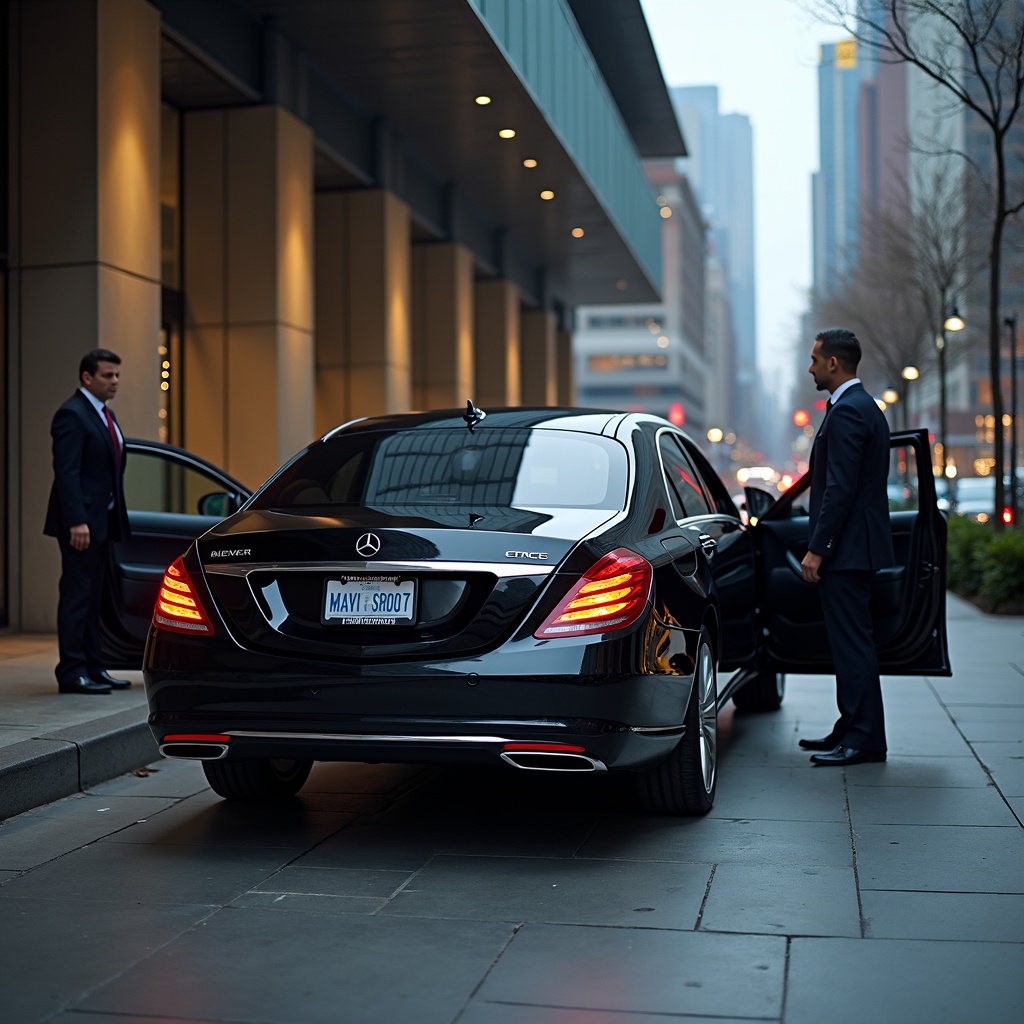
Specify vehicle presentation standards that align with your brand. Vehicle presentation influences perception immediately. Cleanliness discipline ensures exterior and interior readiness. Climate control settings remain comfortable without requiring adjustment. For a pharmaceutical company hosting FDA regulators or a financial services firm transporting investor relations executives, these details aren’t luxuries—they’re baseline requirements that signal operational competence.
Creating Employee Transportation Profiles Within Your Corporate System
Establish individual profiles for frequent travelers within your organization. Document preferred pickup locations—perhaps the Flushing office versus the remote workspace in Forest Hills. Note any accessibility requirements, preferred vehicle types for different scenarios, and communication preferences. Some executives prefer text message notifications; others want direct chauffeur contact numbers. Controlled communication ensures chauffeurs speak clearly and concisely without unnecessary conversation, respecting different working styles during transport.
Defining Your Amenity Request Protocol for Client-Facing Transportation
When you’re transporting VIP clients rather than internal staff, amenity requests become strategic tools. A corporate limo service should accommodate specific requests that enhance client impressions: bottled water brands that match your office offerings, temperature settings adjusted before pickup, and charging cables compatible with multiple device types. Request these details forty-eight hours before scheduled pickups to ensure proper vehicle preparation.
Gratuity Management: Navigating the Billing Complexity That Confuses Most Corporate Bookers
Gratuity handling represents one of the most frequently misunderstood aspects of corporate transportation etiquette. The confusion stems from inconsistent industry practices: although gratuity is typically separate, certain bookings may include a built-in tip. These situations often involve extended service or complex event coordination. You need absolute clarity on whether gratuity appears as a separate line item or gets incorporated into quoted rates.
For corporate accounts with regular monthly usage, for executive shuttles, Sprinters, and multi-vehicle bookings, gratuity may be included to simplify billing and guarantee consistent chauffeur recognition. Companies that book recurring transportation may choose packages where gratuity is included automatically. This approach eliminates the awkward moment when an executive wonders whether additional tipping is expected after a completed ride.
When gratuity remains separate from base charges, establish clear internal policies. If you believe that your driver did well and deserves more than the standard 15-20% tip, then it is up to you to make the necessary additions for the excellent assistance you received. For straightforward airport transfers between LaGuardia and your Queens office, standard gratuity suffices. For complex multi-stop itineraries coordinating pickups across Astoria, Forest Hills, and Flushing within tight conference schedules, consider enhanced gratuity that acknowledges exceptional logistical execution.
Structuring Gratuity Authorization Within Your Expense Policy
Create authorization levels that prevent confusion when employees book rides. Junior staff handling routine airport pickups should have clear guidance on standard gratuity percentages. Senior executives managing board member transportation may have discretion to increase gratuity for exceptional service. Document these policies in your corporate travel handbook, and ensure your transportation account billing reflects these distinctions on monthly invoices.
Coordinating Multiple Executive Pickups: The Logistical Challenge That Tests Service Quality
The real test of corporate limo service capability emerges when you’re coordinating simultaneous arrivals. Picture this scenario: three executives landing at JFK within forty minutes of each other, two clients arriving at LaGuardia ninety minutes later, and a final board member driving in from a meeting in Brooklyn—all converging on a conference venue near Citi Field for a presentation that starts at precisely two o’clock.
This coordination demands more than multiple vehicle bookings. It requires a service provider with flexibility: Plans often change at the last minute, especially in the corporate world. Chauffeurs are trained to be adaptable, ensuring they can accommodate last-minute schedule changes without compromising the quality of service. Flight delays, traffic backups on the Grand Central Parkway, or early arrivals all create cascading schedule impacts that require real-time adjustment.
Build buffer time into your pickup schedules that accounts for Queens-specific traffic patterns. The Van Wyck Expressway approaching JFK experiences predictable congestion during weekday afternoon hours. The route from LaGuardia through Jackson Heights to Flushing can extend by twenty minutes during school dismissal periods. Professional chauffeurs with deep Queens knowledge adjust routes dynamically, but your initial scheduling should acknowledge these realities rather than assuming optimal travel times.
Establishing Primary Contact Protocols During Multi-Vehicle Events
Designate one internal point person who communicates with dispatch during complex multi-pickup events. This prevents the chaos of six different executives texting six different drivers with conflicting information. Your designated coordinator receives status updates on all vehicles, manages any necessary route adjustments, and serves as the single source of truth when the conference organizer suddenly moves the venue entrance from the north side to the south loading dock.
Using Flight Tracking as a Coordination Tool Rather Than a Backup Plan
Don’t treat flight tracking as simply delay insurance. Use it proactively to optimize pickup sequencing. When two executives are landing thirty minutes apart at different JFK terminals, real-time flight data might reveal that the earlier flight is running late while the later one is early—information that allows you to adjust the pickup sequence and reduce total wait time. Quality corporate transportation providers monitor these patterns automatically, but you should receive proactive notifications rather than discovering changes when executives start calling.
Communication During Multi-Day Conferences: Protocols That Prevent Late-Night Scrambles
Multi-day corporate events in Queens create ongoing transportation challenges that test both your planning and your service provider’s responsiveness. A three-day conference at a Forest Hills venue might involve morning hotel pickups, midday client lunch transportation, evening networking event shuttles, and late-night airport drop-offs—all with schedules that shift as meetings run long or end early.
Establish morning briefing protocols where you confirm all scheduled pickups for the day ahead, noting any known changes from the original itinerary. Etiquette includes strict discretion during sensitive conversations, private calls, or document handling. Chauffeurs avoid visual engagement with confidential materials and disengage from conversations not intended for them, but they also need situational awareness about schedule flexibility so they can position vehicles appropriately.
Create a modification cutoff time for same-day changes. Perhaps you can adjust pickup times up until two hours before scheduled departure, but changes within that window require direct phone communication rather than email or app notifications. This prevents the disaster of an executive waiting at a hotel entrance while a revision email sits unread in a driver’s inbox.
Managing Executive Expectations About Urban Traffic Variables
Queens traffic patterns differ significantly from Manhattan’s grid predictability. An executive accustomed to reliable crosstown travel times in Midtown might not appreciate that the fifteen-minute drive from a Jamaica hotel to a client office in Flushing can triple during unexpected road work or accident backups. Set realistic expectations about travel time ranges rather than single estimates, particularly for routes crossing multiple neighborhoods during business hours.
Handling Last-Minute Airport Changes Without Service Disruption
Corporate travel frequently involves sudden itinerary changes—a board member’s flight gets rerouted from LaGuardia to JFK, or a client decides to fly out same-day rather than staying overnight. Your service provider’s response to these changes reveals their operational depth. Can they reassign a vehicle from LaGuardia to JFK within twenty minutes? Do they have backup vehicles staged near major Queens transportation hubs? Professional services maintain 24/7 customer support lines, provide detailed booking confirmations with chauffeur contact information, and proactively communicate any changes or updates to your reservation.
Selecting Amenities That Signal Professional Standards to VIP Clients
Vehicle amenities for client transportation serve dual purposes: practical functionality and symbolic messaging. When you’re picking up a potential investor at JFK for meetings in your Queens headquarters, the business travel demands vehicles that function as mobile offices equipped with modern amenities. Professional services maintain fleets of luxury sedans and SUVs featuring Wi-Fi connectivity, charging ports, bottled water, and comfortable seating configurations that allow productive work during transport.
Request Wi-Fi connectivity specifications in advance, particularly for international clients who may need to join video calls during the forty-minute drive from JFK to your office. Verify that charging capabilities accommodate both USB-C and Lightning connections. These aren’t trivial details—they’re the difference between a client arriving prepared for your presentation versus scrambling to find outlets in your lobby.
For particularly high-stakes client transportation, consider requesting specific vehicle models rather than generic categories. A difference exists between “luxury sedan” as a category and a specific year-model luxury sedan with particular interior configurations. If your service provider maintains detailed fleet information, you can ensure consistency across multiple pickups for the same client—a subtle touch that demonstrates operational sophistication.
| Scenario Type | Essential Amenities | Communication Protocol |
|---|---|---|
| Airport Executive Pickup | Flight tracking, phone charging, bottled water, climate pre-set | Text notification on landing, chauffeur direct line provided |
| Multi-Stop Client Tour | Wi-Fi capability, privacy partition, refreshments, presentation space | Dispatch coordinator for real-time route adjustments |
| Board Member Conference Transport | Document privacy, quiet environment, premium vehicle class | Advance confirmation 24 hours prior, backup vehicle on standby |
| Group Executive Dinner Transportation | Larger vehicle capacity, flexibility for extended wait times | Text update system for ready-to-depart notification |
When Transportation Etiquette Becomes Competitive Advantage
Exceptional corporate transportation etiquette extends beyond avoiding mistakes—it creates moments that strengthen business relationships. When a client mentions they’re from Seattle during the ride from LaGuardia, and your chauffeur knows to avoid the subject of local sports rivalries. When an international executive appreciates that the vehicle temperature was set to exactly their preference from their previous visit. When your board members never experience the awkward pause of wondering whether additional gratuity is expected.
These details accumulate into a broader impression of operational excellence. Client meetings start the moment your guest steps out of their office, not when they walk into your conference room. Professional car service transforms transportation into a strategic branding tool that demonstrates attention to detail, respect for client time, and commitment to excellence. In Queens’ diverse business landscape—from tech startups in Long Island City to established manufacturing firms in Jamaica—this attention to executive transportation etiquette separates organizations that project professionalism from those that simply arrange rides.
The corporate limo service decision you make today establishes patterns that persist for years. Choose a provider who understands that the quality of your chauffeur directly reflects on your professional image. Experienced business travel services employ licensed, uniformed drivers who understand corporate etiquette, maintain discretion during confidential conversations, and present themselves professionally in business settings. Whether you’re coordinating transportation for a single executive arriving at JFK or managing logistics for a week-long conference with participants from across Queens’ ZIP codes 11101, 11102, 11354, 11355, and 11356, these standards remain non-negotiable.
M&V Limousines Ltd. has built lasting relationships with Queens businesses by treating executive transportation as the strategic function it truly represents. When you’re ready to establish corporate transportation standards that enhance rather than complicate your operations, call (646) 757-9101 to discuss your specific requirements with professionals who understand both Queens logistics and corporate etiquette protocols.