


Why Can’t I Book a Limo for Just 90 Minutes in the Bronx?
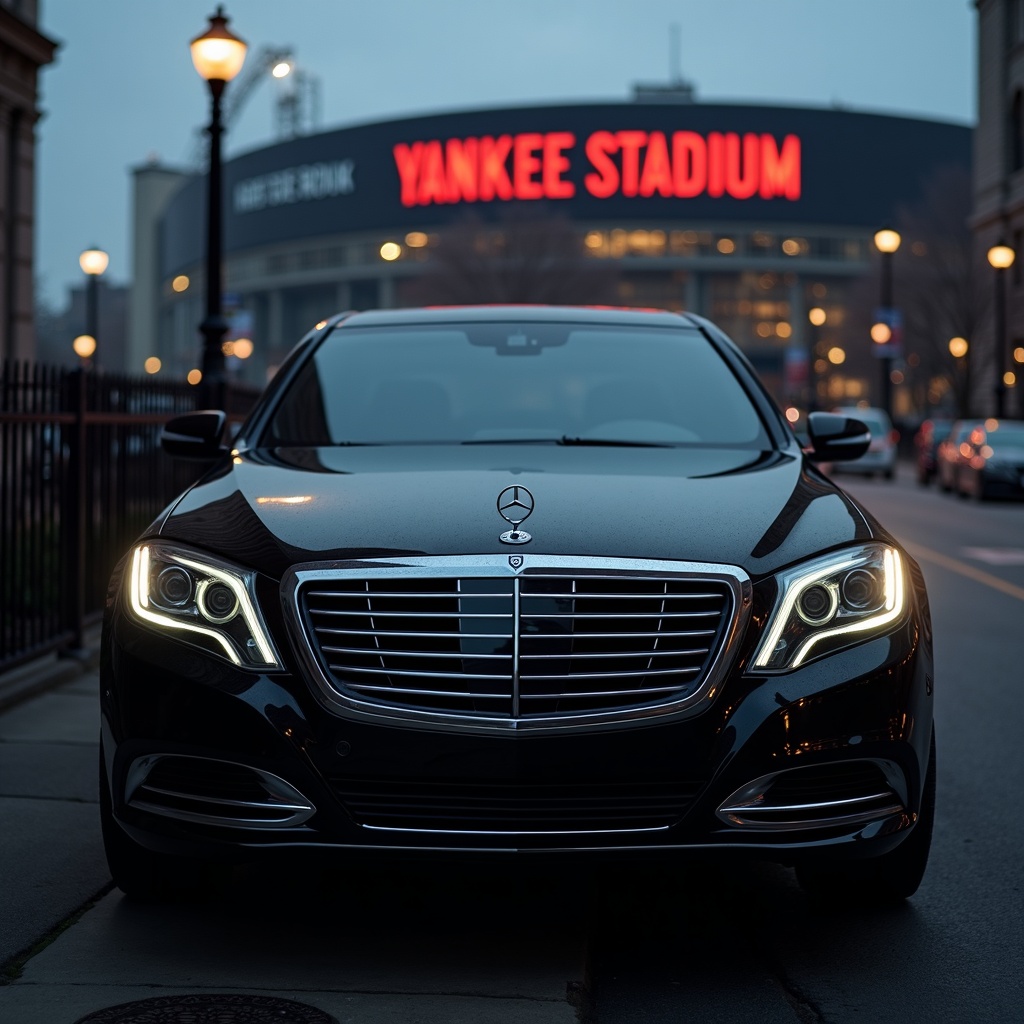
You need a ride from Riverdale to Yankee Stadium—maybe two hours, tops. But when you call for a quote, every limo service in Bronx tells you the same thing: three-hour minimum, four hours on weekends, sometimes even longer during prom season or holidays. The question hits immediately: why am I paying for time I won’t use?
📋 In This Guide
The answer isn’t arbitrary markup. Time-based minimums in the Bronx reflect operational realities that affect every professional transportation company, from vehicle preparation protocols to chauffeur scheduling logistics. Understanding how these minimums work—and why they exist—helps you book smarter, avoid surprise charges, and actually maximize the value you’re already paying for.
The Real Costs Behind Every Reservation Window
Before your chauffeur arrives at your Pelham Bay address, your reserved vehicle has already consumed two to three hours of operational time. Professional detailing takes no less than two hours to fully stock, clean, and sanitize vehicles, ensuring the interior meets luxury standards. Your chauffeur reviews your route, checks traffic patterns around Co-op City or Fordham, and travels from the company garage to your pickup location—often 30 to 45 minutes in Bronx traffic.
After your trip ends, the process reverses. The vehicle returns to base, undergoes inspection, and gets prepped for the next client. Larger chauffeured vehicles represent significant investments that require regular maintenance, with costs including fuel, insurance, and upkeep considerably higher than smaller vehicles. A one-hour booking generates one hour of revenue but demands three to four hours of total vehicle commitment.
Chauffeur compensation adds another layer. Professional drivers in New York City metro areas maintain commercial licenses, pass background checks, and complete ongoing safety training. Minimum hour requirements help maintain highly-trained staff of fleet drivers who provide the highest quality service along the way. Without booking minimums, companies couldn’t sustain the professional workforce that separates luxury transportation from rideshare alternatives.
Standard Minimum Requirements Across Vehicle Categories
Not all vehicles carry identical minimums. The Bronx market typically structures requirements based on vehicle type and operational complexity:
Sedans and luxury town cars generally require minimum bookings of three hours for standard reservations. These vehicles handle the majority of airport service runs, corporate travel between Morris Park offices and Manhattan, and evening transportation for couples dining in Little Italy.
SUVs and luxury crossovers follow similar three-hour minimums for weekday bookings, but minimums increase during peak demand because the vehicle is reserved in a block, with Friday and Saturday nights often requiring higher minimums than weekday daytime. If you’re booking an Escalade for a Bronx Zoo family outing on Saturday afternoon, expect four-hour minimums.
Stretch limousines and specialty vehicles demand longer commitments. Six-hour minimums apply to Limousine Coach, Motor Coach, and Party Bus bookings. These vehicles require extensive preparation—from stocking bars to testing entertainment systems—and their size limits scheduling flexibility. You can’t easily slot a 20-passenger stretch limo between two airport runs.
| Vehicle Category | Weekday Minimum | Weekend Minimum | Peak Season |
|---|---|---|---|
| Sedan/Town Car | 3 hours | 3-4 hours | 4-5 hours |
| Luxury SUV | 3 hours | 4 hours | 5-6 hours |
| Stretch Limousine | 4 hours | 5 hours | 6-8 hours |
| Sprinter/Party Bus | 5 hours | 6 hours | 8+ hours |
Sprinter vans and party buses typically start at five-hour minimums. Party and limo buses require 5-hour service minimums, and larger vehicles such as stretch limousines, sprinter vans, and party buses are only available on an hourly basis usually with a 4 or 5 hour minimum. The extensive vehicle preparation time justifies these longer requirements—nobody wants to discover a previous client’s trash when celebrating a birthday.
How Event Type Affects Minimum Thresholds
The occasion itself influences booking requirements. Wedding transportation packages in the Bronx routinely demand six to eight-hour minimums, even for simple church-to-reception transfers. Many services require 4-6 hour minimums even if you only need 2 hours of service, particularly for special occasions.
Prom season—typically April through June—sees minimums extend across all categories. During prom or other high demand season, minimum hourly booking requirements may increase to 5-8 hours due to overwhelming demand. Bronx high schools coordinate proms on limited weekend dates, creating compression that forces companies to protect their revenue windows.
Corporate accounts sometimes negotiate different structures. Regular clients booking corporate transportation between Bronx offices and Westchester might secure two-hour minimums for recurring weekday transfers, though these arrangements require advance contracts.
When Hourly Minimums Beat Point-to-Point Pricing
Not every trip follows hourly structures. Airport services to JFK, LaGuardia, or Newark often use flat-rate point-to-point pricing: one pickup location, one destination, predictable timing. But the moment your itinerary includes variables—multiple stops, uncertain timing, wait requirements—hourly minimums become the only structure that protects both you and the provider.
Consider a typical Bronx scenario: dinner reservation at Roberto’s on Arthur Avenue, then drinks at a Fordham cocktail bar, finishing with late-night food in Little Italy. Three destinations, flexible timing, and you want the vehicle waiting between stops. To guarantee a return ride, you must charter the limo so the driver can wait for you and there is a 100% chance they will be ready when you are.
Point-to-point pricing collapses in this situation. Your driver drops you at dinner and seeks another booking. They may get a ride going far in the opposite direction, a 4-hour charter, a client needing out-of-town service, or get stuck in traffic—multiple possibilities prevent them from being available when you finish dinner. You’re left stranded near Yankee Stadium at 11 PM, searching for rideshare surge pricing.
Calculating Your True Per-Hour Value
Smart clients view minimums as purchased availability, not wasted time. That four-hour minimum for your Bronx wedding transportation isn’t just ceremony-to-reception coverage. It’s insurance against timing changes, traffic delays on the Cross Bronx Expressway, unexpected photo opportunities at Van Cortlandt Park, and the buffer that prevents your entire schedule from derailing when the ceremony runs 30 minutes long.
Hourly works best when the plan can drift: multiple stops, photos, event flow, or meetings that run long. If your Bronx itinerary involves any uncertainty—wait times, flexible stops, or events that rarely end on schedule—the minimum protects you from the chaos of trying to coordinate split bookings.
Calculate the alternative: three separate point-to-point bookings cost more in aggregate, introduce coordination risks between drivers, and leave you vulnerable if any leg runs late. The four-hour minimum that seemed excessive suddenly looks like the more economical and reliable option.
Seasonal and Day-of-Week Variations in Minimum Requirements
Bronx transportation demand fluctuates dramatically throughout the year, and minimums adjust accordingly. Peak wedding season from late spring through early fall sees the most desirable vehicles reserved quickly, pushing minimums upward as companies manage limited fleet availability.
Winter months—particularly January and February—offer the most flexibility. Weekday bookings during these slow periods sometimes negotiate reduced minimums, especially for corporate clients establishing regular service. A Wednesday afternoon booking in February might secure a three-hour minimum on a vehicle that demands five hours on a June Saturday.
Holiday weekends transform the entire market. New Year’s Eve represents the year’s highest-demand night, with some Bronx companies requiring eight-hour minimums even for sedans. Prom season from April to June and peak wedding season from May to October see higher hourly rates and extended minimum booking times. Memorial Day, July Fourth, and Labor Day weekends follow similar patterns.
Understanding Day-Part Pricing Structures
Time of day matters as much as day of week. Evening limo service and party bus rentals generally have higher hourly rates or require a higher number of minimum hours than daytime rentals because demand for services is greater. A Tuesday morning airport transfer might book with a two-hour minimum, while a Friday evening prom package on the same vehicle requires six hours.
The underlying logic tracks demand patterns. Morning and early afternoon bookings in Brooklyn and the Bronx primarily serve business travel and airport transfers—predictable timing, straightforward routes. Evening and weekend bookings involve celebrations, events, and entertainment—longer durations, complex logistics, and the highest demand for limited vehicle availability.
Strategies for Maximizing Value Within Required Minimums
Once you’re committed to a minimum booking, the goal shifts: extract maximum value from every hour you’re paying for. The most successful strategy involves rethinking your itinerary to fill the purchased time rather than viewing it as waste.
For a four-hour wedding minimum covering a simple church-to-reception transfer that only needs 90 minutes, consider these value additions: early pickup allows the wedding party to arrive relaxed rather than rushed; photo stops at New York Botanical Garden or Pelham Bay Park’s waterfront use the buffer time productively; post-reception transportation to the couple’s hotel or a private after-party location utilizes the final hour.
Corporate bookings in the Bronx benefit from expanding single-destination trips into multi-stop itineraries. That three-hour minimum for a Fordham office pickup becomes a productive mobile office: stop one picks up your executive, stop two collects a client from their Westchester hotel, and the vehicle provides a private meeting space during the 45-minute drive to your Manhattan headquarters.
Negotiating Package Deals and Multi-Day Bookings
Regular users should explore package structures that reduce effective per-hour costs. Graduated discounting for extended service commitments means the per-hour rate decreases as rental duration increases, with a two-hour booking costing more per hour than six hours of the same vehicle.
Multi-day event transportation—common for destination weddings or extended corporate visits—offers another avenue. Companies prefer committed long-term bookings over single-event reservations. A client booking Friday rehearsal dinner transport, Saturday wedding coverage, and Sunday brunch shuttle service negotiates better rates than three separate bookings.
Ask specifically about package inclusions when discussing minimums. Some providers bundle amenities—champagne service, red carpet, decorative elements, or extra stops—into packages that reduce the net hourly rate while adding tangible value.
Overtime Charges, Grace Periods, and How Time Gets Tracked
Your reservation specifies a four-hour window, but your event runs long. What happens next depends on how your contract defines overtime and grace periods. Overtime is typically billed in increments of 15, 30, or 60 minutes and almost always rounded up, with the key detail being when overtime starts: after the included time or after the scheduled end time.
Most professional services calculate overtime from your scheduled end time, not your actual usage. Book 6 PM to 10 PM and your chauffeur arrives at 6:15? You still have until 10 PM before overtime begins. But if your reception runs until 10:45 PM, you’re paying for at least one additional hour—possibly rounded to 11 PM depending on billing increments.
Grace periods vary by company and event type. Wedding packages often include 15 to 30-minute courtesy windows recognizing that ceremonies rarely start on schedule. Corporate or airport transfers typically offer no grace period—the vehicle arrives at the specified time, and your reservation clock starts regardless of when you board.
What Actually Counts Toward Your Reservation Time
Time tracking starts earlier than most clients expect. Many Bronx providers use “garage-to-garage” billing: Your rental time may begin the moment the limousine begins its journey to your first pickup location. If your chauffeur departs the company garage in Riverdale at 5:30 PM for your 6 PM pickup in Co-op City, your four-hour reservation runs 5:30 PM to 9:30 PM, not 6 PM to 10 PM.
Always clarify this detail when booking. Some companies distinguish between “service time” (when you’re actually using the vehicle) and “reservation time” (the full commitment window). The difference significantly impacts overtime calculations and your ability to extend service if needed.
Wait time during your reservation doesn’t pause the clock. Your chauffeur waits 40 minutes while you dine at City Island’s waterfront restaurants—that’s 40 minutes of your four-hour minimum consumed. Waiting is the biggest hidden difference between quotes, with baggage delays at airports and crowded exits at venues turning “5 minutes” into 25.
Special Circumstances: Events, Venues, and Location-Specific Minimums
Certain Bronx destinations carry their own minimum requirements regardless of vehicle type. Venues like TD Garden and Fenway Park have two-hour minimum charges, with point-to-point reservations no longer accepted. While those specific venues sit outside the Bronx, similar policies apply to Yankee Stadium, the Bronx Zoo, and New York Botanical Garden during major events.
Concert and sporting event transportation faces unique constraints. Your event ticket says 7 PM, but vehicles navigate traffic congestion, security perimeters, and loading zones that extend your transportation need to three or four hours minimum. Post-game traffic around Yankee Stadium routinely delays departures 45 to 90 minutes beyond the final pitch.
Airport Transfers and FBO Minimums
Airport pickups in the Bronx follow different minimum structures than hourly reservations. Most companies quote flat rates for LaGuardia, JFK, or Newark transfers, but include built-in wait time allowances. FBO arrivals are subject to a minimum charge of one and a half hours, covering the unpredictability of private aviation arrival times.
Commercial airport pickups typically include 60 minutes of complimentary wait time from flight landing (domestic) or 90 minutes (international), covering baggage claim and customs. If your flight lands two hours late, you’re not charged for the delay—but once you clear customs, the wait time clock starts. Exceed the included buffer and you’ll pay hourly rates for the extension.
Smart airport bookers pad their pickup times when traveling with large groups, families with young children, or during peak travel periods. The 60-minute buffer that covers a solo business traveler with carry-on luggage won’t cover a family of five with checked bags arriving during holiday crush.
Booking Smart: Getting the Most from Time-Based Pricing
The minimum hour requirement isn’t disappearing. Minimums ensure you receive the highest quality service possible, from maintaining vehicles and paying professional chauffeurs to ensuring flexibility and safety. Rather than fighting the structure, successful clients work within it.
Start by accurately estimating your actual time needs, then add buffer. Most Bronx residents underestimate transportation time by 30 to 40 percent, particularly when crossing borough lines or navigating rush hour on the Cross Bronx Expressway. A conservative estimate prevents both overtime charges and the stress of a tight schedule.
Book early, especially for peak season dates. Booking 6 to 12 months before your event date ensures the best selection of vehicles and the most competitive pricing. Last-minute bookings not only limit vehicle availability but often face premium pricing or extended minimums as companies protect against schedule gaps.
Request written confirmation of your minimum requirement, overtime structure, grace periods, and what’s included in your base rate. Verbal quotes leave room for misunderstanding when your invoice arrives. Professional companies provide detailed contracts specifying exactly when your time starts, how overtime is calculated, and what triggers additional charges.
When comparing quotes between providers, don’t focus solely on hourly rates. A company offering a lower hourly rate with a six-hour minimum costs more than a provider charging slightly higher rates with a four-hour minimum. Calculate the total reservation cost including all minimums, fees, gratuity, and potential overtime to make accurate comparisons.
Ready to Book Professional Transportation in the Bronx?
Understanding how minimum hours work transforms the booking process from frustrating to strategic. You’re not paying for unused time—you’re securing guaranteed availability, professional service, and the flexibility to adapt when your carefully planned schedule encounters real-world complications. Whether you need transportation for a Riverdale wedding, corporate travel between Bronx offices, or a celebration at one of the borough’s signature venues, time-based minimums ensure your vehicle and chauffeur remain dedicated to your needs.
M&V Limousines Ltd. has spent years helping Bronx clients navigate minimum hour requirements while maximizing the value of every reservation. Our team explains exactly what you’re paying for, helps structure your itinerary to use your full reservation window, and provides transparent pricing that eliminates surprise charges. Call (646) 757-9101 to discuss your specific transportation needs. We’ll walk through minimum requirements for your date and vehicle type, explain exactly how timing works, and help you book with confidence.